
QCI #026 - US-China Trade Wars
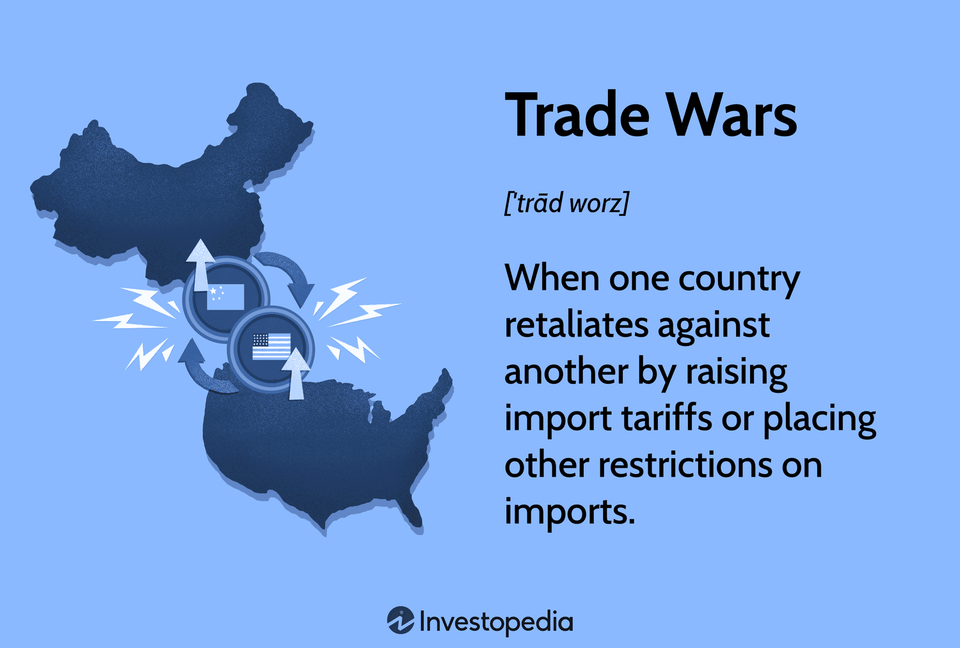
The tariff wars between the US and China began in January 2018 when Trump entered office in his first term, in major waves accross multiple presidential administrations. Marked by an initial escalation from 2018 to 2020 and renewed surges in subsequent years.
First Major Phase (2018-2020):
- January 2018: The conflict opened when the first Trump administration initiated trade barriers and duties on solar panels, washing machines, steel, and aluminum.
- July and August 2018: The US imposed Section 301 tariffs on $50 Billion worth of Chinese goods, prompting immediate dollar-for-dollar retaliatory duties from Beijing.
- September 2018: The US placed 10% tariffs on an additional $200 Billion of Chinese imports, which later escalated 25% in May 2019; China responded with levies on $60 Billion of US Goods.
- January 2020: Both nations signed a temporary "Phase One" economic agreement, pausing further escalation.
Later Developments and Re-Escalation:
- 2021-2024: Trade restrictions and average tariff rates remained mostly stable during the Biden Administration, though select targeted technology and strategic goods duties were adjusted.
- 2025-2026: Trade friction intensified significantly with new executive orders, removal of small-package exemptions, and successive waves of steep retaliatory tariffs.
You can track the US-China Trade War tariffs below:
US-China Trade War Tariffs: An Up-to-Date Chart
Average US tariffs on Chinese exports now stand at 47.5 percent and cover 100 percent of all goods. China’s average tariffs on US exports are at 31.9 percent and cover 100 percent of all goods. US tariffs have risen by 26.8 percentage points since the second Trump administration began on January 20, 2025. Chinese tariffs have risen by 10.7 percentage points over the same period.
 Chad P. Bown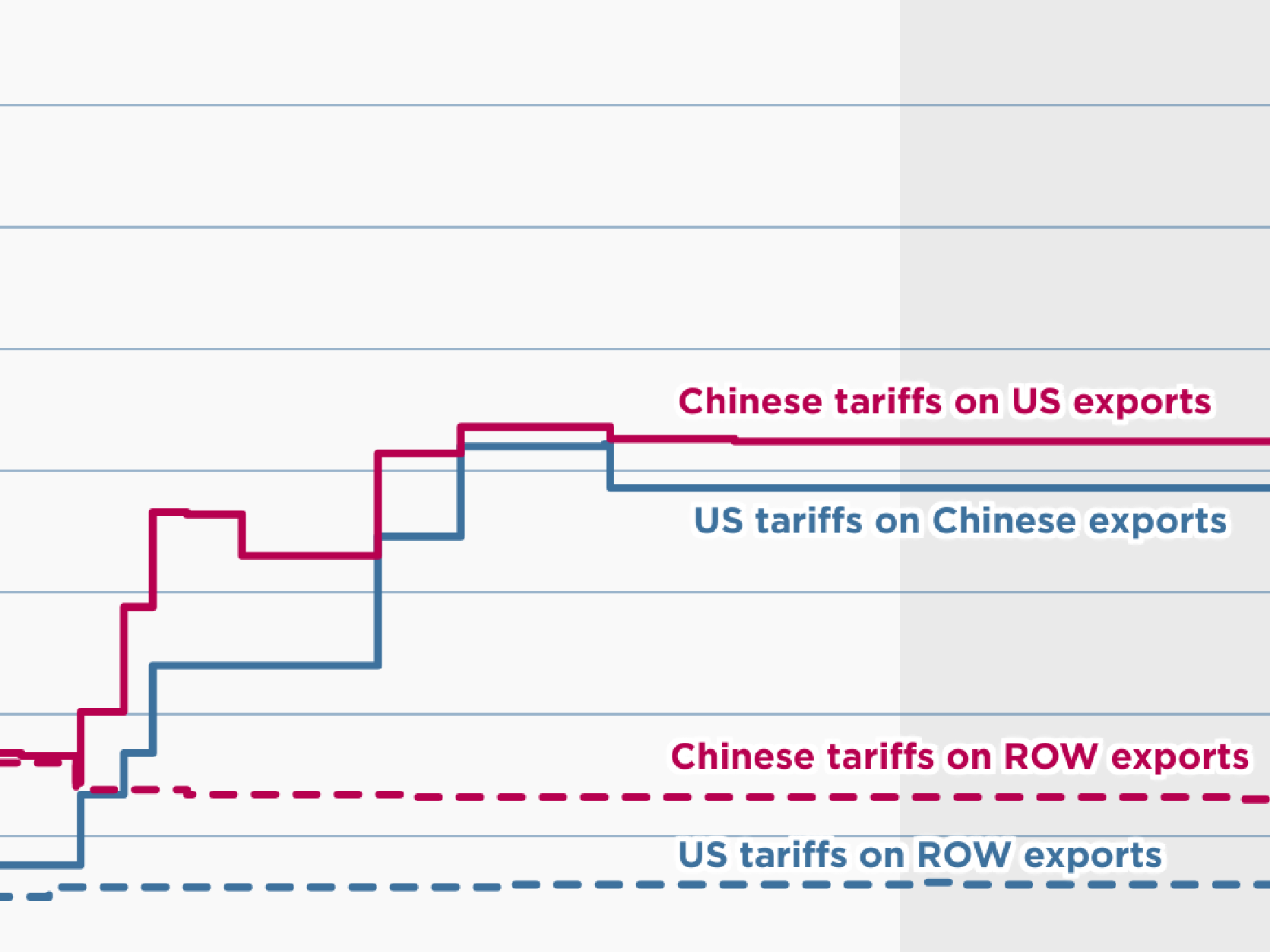
Follow for more!
Quant Compass.

Member discussion